

It’s important to consult a professional tax advisor to learn about what expenses are deductible and not deductible in your or your company’s situation. The salary costs of the engineer and technicians is considered a revenue expenditure. After the purchase of the minting machine, the company https://rgaabogados.cl/2024/03/05/how-to-create-and-send-an-invoice-on-paypal-paypal/ may decide to hire a new lead engineer together with seven other technicians to run the new machine. A fundamental role of this team will be keeping the equipment running throughout the production cycle. Other secondary tasks may include the installation of new parts, monitoring production, and continuous maintenance.
SaaS Financial Model Template

The first step is knowing which bills to include in your budget so you don’t spend more than you make. If you’re like most people, you pay certain expenses every month—everything from housing and transportation to groceries and internet. Creating a budget can help you do a better job of managing those expenses. The easiest way to track your budget from month to month is to use an app or software that will track your spending automatically. Luckily, there is no shortage of options when it comes to finding good budgeting software.
- When organizing your expenses, you’ll want to put them in easy-to-manage categories.
- You’ll be better equipped to make strategic decisions that drive growth and profitability.
- CapEx is related to long-term spending – a major investment – while a revenue expenditure is related to short-term operating expenses.
- You can also build resilience by lowering your debt burden to free up cash flow for future investments while reducing exposure to rising interest rates.
- The expense itself stays in the period it was incurred, not the period it was paid, applying the matching principle introduced earlier.
- For a manufacturing company, operating revenue will be the money earned on selling the final product.
Debt payments
This simple spending approach gets its name from the discipline of saying “no” to overspending. It relies heavily on having a heightened awareness of your bank account’s activity. The basic premise is knowing what funds are available in your account for discretionary expenses, and not spending any more than that.
- The next chapter in this budgeting guide helps with that process by covering 10 types of expenses you should monitor.
- The cost of printing materials for marketing, such as brochures and pamphlets, is included in the marketing expenses, so do not need to be shown here.
- Explore these skills and more with Forage’s free accounting virtual experience programs.
- When it comes to credit cards, you could be adding to your debt with interest charges if you’re only paying the minimum each month.
- These costs are typically predetermined through contracts or agreements, with minimal fluctuation over time.
Operating Expenses in Financial Reporting
Experimenting with innovative financial and operational models — and always looking for opportunities to improve — helps keep your team aligned with emerging industry trends. Companies will what are the two types of expenses additionally benefit from building stronger relationships with key lenders, suppliers, and customers. This can give you negotiating power to secure more favorable terms, especially in challenging economic times. This 10-minute assessment will help you finally understand why traditional budgeting hasn’t worked —and what to do instead.

From Gatekeeper to Growth Partner: How AI is Transforming Procurement at Intuit
Understanding these expenses is essential for effective financial management and long-term business success. Direct operating expenses are costs that can be directly attributed to the production of goods or services, such as raw materials and direct labor. Indirect operating expenses, also known as overhead costs, are not directly tied to production but are necessary for overall business operations, including rent, utilities, and administrative salaries. Understanding this difference is crucial for proper accounting and tax reporting. While operating expenses directly impact your profit and loss statement, capital expenditures affect your balance sheet and are depreciated over time. By categorizing and analyzing your operating expenses, you’ll gain valuable insights into your business’s financial health.
- Examples of capital expense include purchasing a new computer or server, buying a company vehicle, renovating office space, or upgrading manufacturing equipment.
- On track for 90% automation by 2027, HighRadius is driving toward full finance autonomy.
- Examples include office rent, salaried employee wages, monthly software subscriptions, business loan payments, and insurance premiums.
- In many cases, it may be a significant business expansion or an acquisition of a new asset with the hope of generating more revenues in the long run.
- An expense can be incurred without money being paid out, while a term expenditure always involves a payment.
- If you’re earning less but you also have to pay less, it’s not a giant problem for cash flow.
What Is a fixed expense?
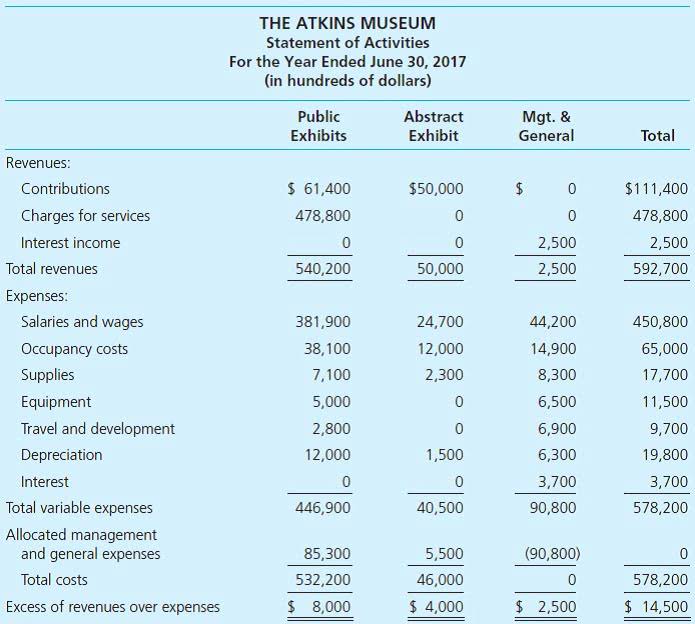
In business, an expense is an outflow of money to another person or group in exchange for goods or services. Expenses are typically recorded on the company’s income statement as a income summary reduction in revenue. Examples of frequent expenses include supplier payments, employee wages, factory leases, and equipment depreciation. In order to lower their tax burden, businesses are allowed to deduct tax-deductible expenses from their taxable income on their income tax returns.

Understanding the distinction between operating expenses and capital expenditures is essential for students pursuing accounting or corporate finance careers. It enables them to accurately analyze financial statements, evaluate profitability, make informed investment decisions, and effectively manage the financial health of organizations. Operating expenses often qualify for tax deductions if they are ordinary, necessary, directly related to business operations, and reasonable in amount. Common deductible operating expenses include rent, utilities, employee salaries, office supplies, marketing costs, insurance premiums, and professional fees.