
They may recommend avoiding beer completely or offer strategies to minimize your risk of reactions. Generally, darker beers, such as stouts and ales, tend to have higher histamine Sober living home levels due to the fermentation process. The carbonation in ginger ale can also be a factor in causing coughing and sneezing.
How Alcohol Causes Nasal Congestion
Alcohol itself can act as a direct irritant to nasal passages, leading to a condition known as vasomotor rhinitis. This non-allergic reaction occurs when blood vessels in the nose dilate, causing swelling, congestion, and increased mucus production, which can trigger sneezing. Some individuals might be allergic to coffee beans or the compounds contained within them. While true coffee allergies are quite rare, they can lead to symptoms such as sneezing, nasal congestion, or even more severe allergic reactions. If you think you might have a coffee allergy, it’s best to consult with a healthcare professional. Sneezing after a sip of wine, a shot of whiskey, or even a light beer isn’t just an odd quirk—it’s a real, documented physiological response experienced by many people worldwide.
Those “beer sneezes” do not mean you are officially drunk any more than the lack of sneezes mean you are okay to drive. Problems in the immune system cause an alcohol allergy to develop, while genetic problems in the digestive system tend to cause alcohol intolerance. Another contributing factor is sulfites, commonly used as preservatives in wine and other fermented drinks to prevent oxidation and maintain freshness. While most people tolerate sulfites, sensitive individuals may experience reactions such as sneezing, wheezing, or nasal congestion. Additionally, other biogenic amines, such as tyramine, found in fermented foods and beverages, can also contribute to these reactions.
- Unfortunately for wine-lovers, there’s a lot of things in wine that can cause negative reactions or intolerances.
- This inflammation can trigger a wide range of symptoms like nausea, vomiting, muscle aches, heartburn, and even headaches.
Why Do I Experience Nasal Congestion After Drinking Alcohol?
For those with severe allergies or asthma, sulfite intolerance can be life-threatening. For mild cases of sulfite intolerance, avoiding products with added sulfites may provide relief. Additionally, some people may experience swelling of the lips, tongue and throat. Besides https://ramadatashkent.com/methadone-purpose-uses-side-effects-and-risks-2/ wines, fruits like bananas, kiwi, melons, and grapes can also contain sulfites, though in much smaller amounts. If you have symptoms after drinking beer, but not after drinking wine or other alcoholic beverages, it’s not alcohol intolerance. More likely, you’re allergic to or sensitive to a particular ingredient in that beer.
Can alcohol-induced sneezing be prevented?
These compounds can interact with alcohol to cause adverse effects, including headaches and flushing, which may accompany sneezing. Ginger is a flowering plant native to Southeast Asia that has been used sneezing when drinking alcohol for thousands of years in traditional medicine and cooking. However, while ginger is often used to alleviate respiratory symptoms, it can also cause allergic reactions in some people.
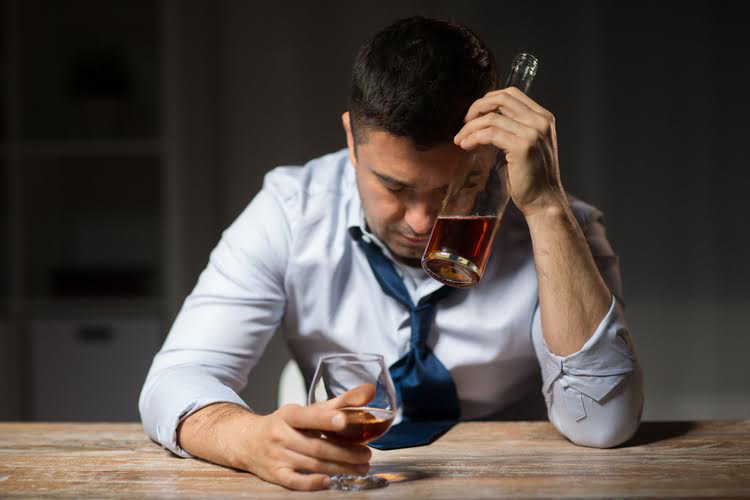
The concentrated carbon dioxide in the drink can cause a person to cough or sneeze, especially when the drink is highly carbonated. On its own, isolated sneezing is not dangerous—but it’s a warning sign. If sneezing accompanies throat tightening, wheezing, dizziness, or rapid pulse, seek immediate care.
It is important to talk to a doctor to get the proper diagnosis and treatment plan for histamine intolerance. If you suspect you have alcohol intolerance, it is best to consult a healthcare professional for an accurate diagnosis and advice. In most cases, alcohol-induced sneezing is harmless and merely an annoyance. However, if you experience severe or persistent symptoms, it is advisable to seek medical advice. Some individuals may have a genetic predisposition that makes them more prone to sneezing after consuming alcohol. An allergy or intolerance to alcohol is not always responsible for symptoms occurring after drinking alcohol.
Why do some people only react to wine—but not beer or liquor?
This sensitivity does not involve the immune system but rather a direct physiological response to the chemical compound. On top of those reasons, the individual may have an alcohol intolerance. An alcohol intolerance is commonly mistaken for an alcohol allergy and is often misdiagnosed. If your body is unable to remove acetaldehyde from the body, symptoms like congestion, flushing, headaches, and more can persist. While sneezing after drinking alcohol is not typically hereditary, individuals may share genetic predispositions to certain allergens or reactions that can influence their response to alcohol.
Family history of allergies or sensitivities can also increase the risk. Alcohol, the primary component of beer, acts as a vasodilator, meaning it causes blood vessels to widen. This dilation can lead to increased blood flow to the nasal passages, causing them to swell and resulting in nasal congestion. Your brain adapts to alcohol over time and can become less sensitive to its effects. Are you wondering whether your drinking is on the high side of normal or if it’s crossed the line into a problem? If any of the following scenarios seem familar, it might be time to make some changes.
Is alcohol-induced sneezing dangerous?
Alcohol can sometimes exacerbate nasal symptoms in individuals with preexisting conditions like allergies or rhinitis. It’s best to monitor how your body responds to alcohol and avoid it if it worsens your symptoms. For many, enjoying an alcoholic beverage can sometimes lead to an unexpected sniffle or sneeze. It involves several biological mechanisms, from compounds naturally present in drinks to how the body processes alcohol itself. This common reaction can be puzzling, but it involves various biological and chemical factors. This article explores the reasons behind alcohol-induced sneezing and offers practical management insights.
FAQ 3: How can I tell if it’s the histamines causing my sneezing?
- It is generally recommended that individuals with a ginger allergy avoid all forms of ginger, including fresh, powdered, and supplemental forms, as even a small amount can trigger symptoms.
- Sulfites can cause respiratory reactions, including sneezing, coughing, and wheezing, particularly in people with asthma.
- Spirits like vodka or gin are lowest—typically under 10 ng/mL—but even trace amounts matter when your system is overwhelmed.
- The irritation or swelling caused by alcohol can stimulate nerve endings in the nasal lining.
- For some, it indicates a mild sensitivity or alcohol intolerance, where the body struggles to efficiently break down alcohol or its components.
Another common trigger involves sulfites, compounds used as preservatives in many wines and beers to prevent oxidation and bacterial growth. Sulfites can cause respiratory reactions, including sneezing, coughing, and wheezing, particularly in people with asthma. While most people tolerate sulfites, a small percentage is sensitive to them.
True Alcohol Allergy: Rare, Real, and Often Misdiagnosed
- When I was a teenager, I began to notice that I would sneeze after I drank coffee, and because of this, I avoided coffee as much as possible.
- Yes, it’s possible to be allergic to specific ingredients in beer, such as barley, wheat, hops, or yeast.
- A genetically driven cause—particularly prevalent among East Asian populations—affects roughly 35–40% of people of Chinese, Japanese, or Korean descent.
- It is important to focus on the type of food consumed, as well as the quantity.
- Symptoms of a ginger allergy can include digestive problems such as nausea, vomiting, and abdominal pain, as well as respiratory problems such as sneezing, a runny nose, congestion, and coughing.
- Additionally, flavored coffee or additives like milk and sugar can create a more complex mixture that could potentially trigger an allergic response in some individuals.
In rare cases, sneezing triggered by alcohol could be a symptom of an underlying medical condition, such as gustatory rhinitis or trigeminal nerve dysfunction. If sneezing persists or is accompanied by other concerning symptoms, consult a healthcare provider. If sneezing after drinking alcohol is bothersome, you can try limiting your alcohol consumption, choosing different types of alcohol, or taking antihistamines before consuming alcohol.